

Salticid Sanctuaries
Blue Bottle Fly Spikes & Pupae Mix
Blue Bottle Fly Spikes & Pupae Mix
Couldn't load pickup availability
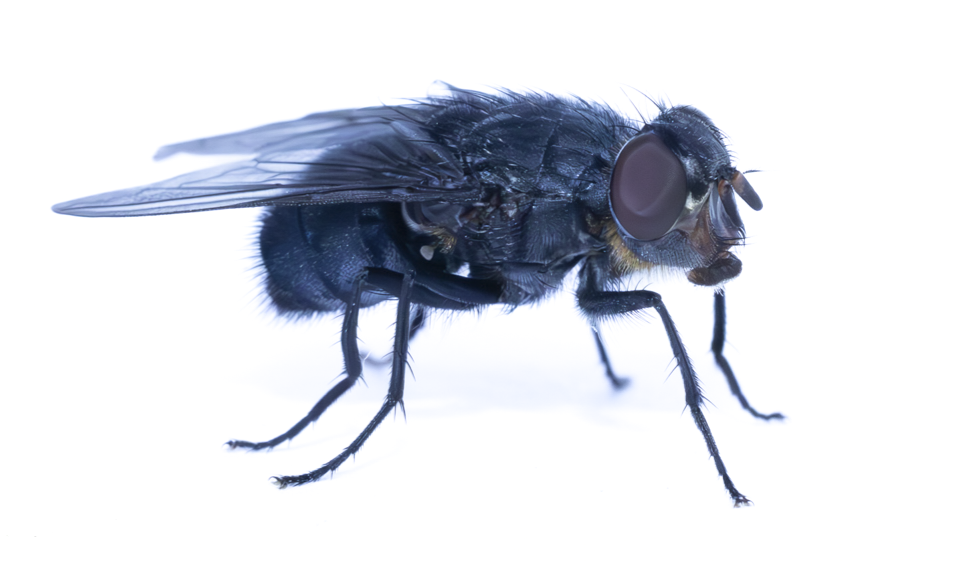
Bottle Fly Spikes/Pupae are larvae/maggots of the Blue Bottle Fly (Calliphora vomitoria). Bottle Fly Spikes/Pupae are high in protein (~20%), low in fat (~6%), and contain a surprising amount of calcium. They're also slow moving and soft bodied, making them easy to catch and digest. They look like a small waxworm measuring between 3/8" to 1/2" in length.
How to Store:
Blue Bottle Fly Spikes/Pupae should be kept in the fridge as they do well in temperatures between 33°F and 40°F and will keep for 4 weeks or more, the crisper of your fridge is the best spot! Keep spikes stored on the damp sawdust they're packaged in for a longer shelf life. They will possibly pupate enroute to you and be in chrysalis form when they reach you, so you will likely end up with a mix of spikes and pupae upon arrival. The adult fly is 10-11mm long. Only use dry, cream colored spikes. If they have turned brown or have excessive moisture they must be discarded. The chrysalis, if healthy, can be saved until the fly pupates.
PLEASE NOTE:
Because of elevated temperatures during shipping, your blue bottle fly spikes may arrive pupated! In this case, either store the pupae in the fridge until you're ready to hatch them out into flies, or leave them at room temperature and you'll have blue bottle flies ready to feed out in 4-10 days. All spikes are shipped in insulated shipping bags along with a 24-48 hour ice pack. On that note, there is
****** NO GUARANTEE *******
that the spikes will arrive as spikes due to shipping temperatures, times and delays. Shipping is just too unpredictable at times to guarantee this. Thank you for your understanding!
✳️NOTE: There are multiple shipping options so be sure you select the right one for you. (Quicker is better for these guys!)✳️
All shipments include an ice pack at no extra charge.
To pupate & hatch Blue Bottle Fly Spikes/Pupae, leave the larvae in a larger container at room temperature for a few days. Place the adult Blue Bottle Flies in the fridge for several minutes to slow them down, making moving them into your pet's enclosure easier. A ready made, room stable mini jello cup (you can get a bag of them from the Dollar Tree), provides all the food and water needed to sustain them and will keep the adult flies alive for around a week.
NOTE ON ODOR: Blue Bottle Spikes "sweat" during transit. An subtle ammonia smell is normal. You can remove the wood shavings from the spikes to minimize the odor, however, it won't go away altogether. They are still safe to feed off.
Share